

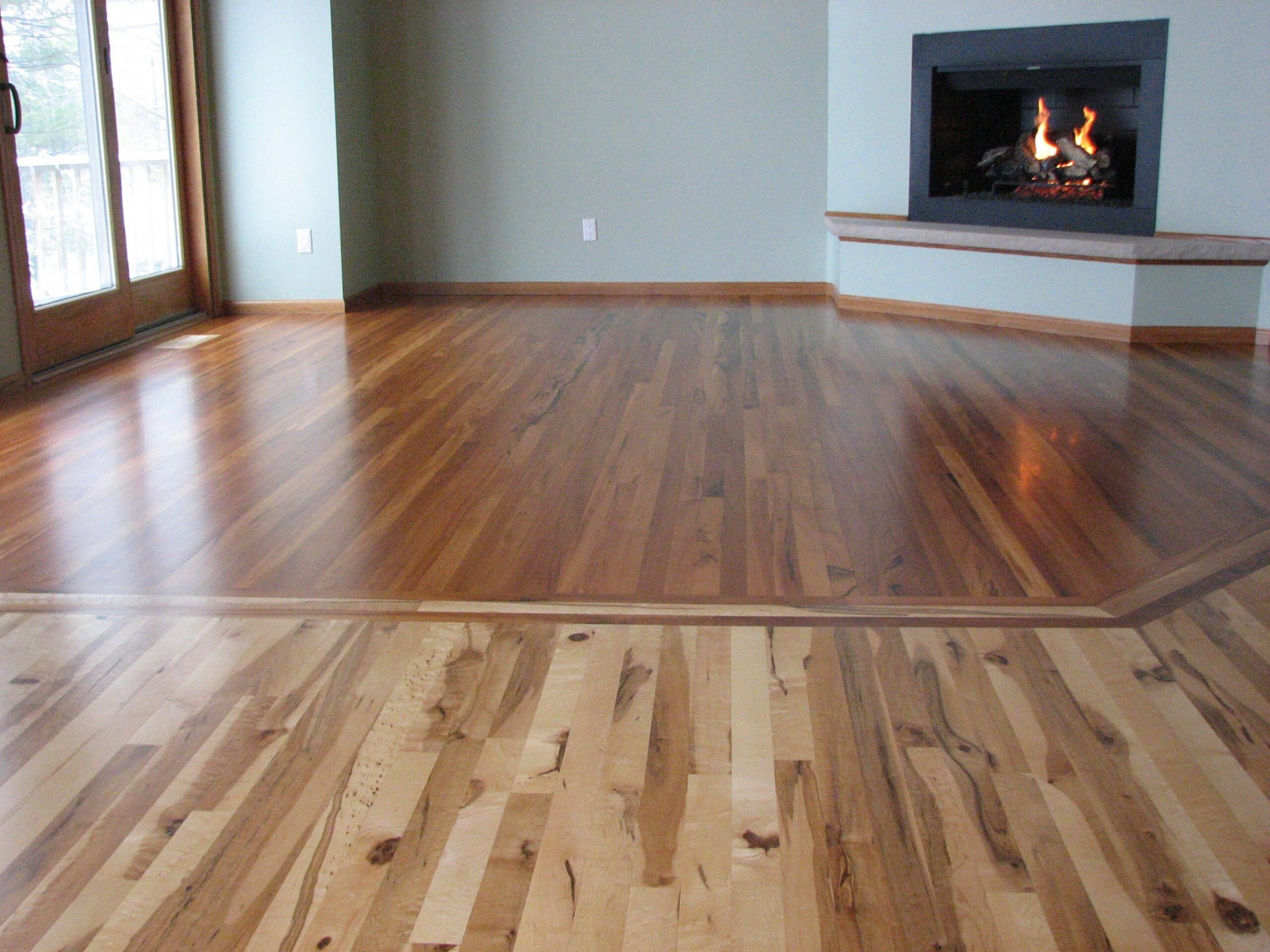

You clean them regularly. You’ve tried different products. Maybe you’ve even rearranged furniture hoping better lighting would help. But somehow, your floors still look flat, lifeless, and a bit… tired.
It’s a frustrating problem because floors take up so much visual space. When they look dull, the entire room feels off, no matter how well everything else is styled.
The good news is that most dull-looking floors are not a lost cause. In many cases, the issue comes down to a few fixable mistakes. And once you understand what’s actually causing the problem, it becomes much easier to bring them back to life without going through the cost and hassle of replacing them. In some cases, homeowners even consider materials like GatherCo travertine floor tiles as a benchmark for the natural texture and depth they are trying to recreate or maintain.
The real reason your floors look dull
Most people assume dull floors are just worn out. That’s not always true.
More often, the problem comes down to buildup, lighting, or poor maintenance habits rather than the material itself.
Residue from cleaning products
Ironically, cleaning can make floors look worse over time. Many products leave behind a thin film that builds up gradually. This layer dulls the surface and stops it from reflecting light properly.
If your floors look cloudy or streaky no matter how often you clean them, residue is likely the issue.
Incorrect cleaning methods
Using too much water, the wrong type of mop, or harsh chemicals can damage the finish of your flooring. This is especially common with natural stone or timber surfaces.
Over time, this leads to a flat, uneven appearance that no amount of surface cleaning can fix.
Poor lighting
Sometimes the floor is not the issue at all. Bad lighting can make even high-quality flooring look dull.
Harsh overhead lighting or dim rooms can flatten texture and reduce contrast, making surfaces appear lifeless.
How to restore shine without replacing your floors
Before you consider replacing anything, try these practical fixes. They are often enough to completely change how your floors look.
Deep clean to remove buildup
Start by stripping away any residue that has built up over time.
- Use a cleaner specifically designed for your floor type
- Avoid all-purpose products that leave a glossy film
- Rinse with clean water if recommended
This step alone can dramatically improve how your floors reflect light.
Adjust your cleaning routine
Once the surface is clean, it is important to maintain it properly.
- Use minimal product when cleaning
- Stick to gentle, pH-neutral solutions where possible
- Avoid over-wetting the surface
A simpler routine often delivers better results than constantly trying new products.
Improve the lighting in your space
Lighting has a huge impact on how flooring appears.
- Add layered lighting instead of relying on one overhead source
- Use warmer tones to enhance natural textures
- Position lights to highlight the floor, not wash it out
Even small adjustments can make your floors look richer and more vibrant.
Small upgrades that make a big difference
If cleaning alone is not enough, a few targeted changes can elevate the entire space.
Refinish or reseal where needed
Some flooring types, especially timber and natural stone, benefit from occasional refinishing or sealing.
This restores the protective layer and brings back depth and colour without needing full replacement.
Add contrast through styling
Sometimes the issue is not the floor itself, but how it interacts with the rest of the room.
- Use rugs to create contrast and break up large areas
- Choose furniture that complements rather than blends into the floor
- Add texture through soft furnishings
These changes help the floor stand out instead of fading into the background.
When the material itself is the problem
In some cases, the flooring material simply does not deliver the look you want.
Flat finishes, low-quality materials, or overly uniform surfaces can lack the natural variation that gives a space character.
Look for natural texture and variation
Materials with subtle imperfections and tonal differences tend to look more dynamic.
Natural stone, for example, reflects light differently across its surface, which creates depth even in simple spaces.
Avoid overly glossy finishes
High-gloss floors can sometimes highlight imperfections and make a space feel artificial. A more natural, matte finish often looks more refined and easier to maintain.
Creating a floor that stays visually appealing
The goal is not just to fix dull floors once, but to keep them looking good long-term.
Stick to consistent maintenance
A simple, repeatable routine is more effective than occasional deep cleans.
- Sweep or vacuum regularly
- Clean with appropriate products
- Address spills and marks quickly
Consistency prevents buildup and keeps the surface looking fresh.
Think about how the space is used
High-traffic areas will naturally wear faster. Placing rugs or protective pads in these zones helps preserve the floor’s appearance over time.
Keep expectations realistic
No floor will look perfect forever. Natural wear is part of how a home develops character. The aim is to maintain a clean, well-kept look rather than chasing a showroom finish.
Bringing your floors back to life
Dull floors are rarely a permanent problem. In most cases, they are the result of small issues that build up over time.
By focusing on proper cleaning, better lighting, and a few smart adjustments, you can dramatically improve how your floors look without replacing them.
And once you get it right, the difference is immediate. The room feels brighter, more polished, and more intentional. All without the cost, disruption, or stress of starting from scratch.